At the end of 2010 the United Nations’ Inter-Agency Information and Analysis Unit (IAU) released its annual reports on Iraq’s 18 provinces. They provided a brief rundown of the economic and humanitarian conditions in each governorate. Iraq’s provinces are highly diverse from the highly urbanized Baghdad, Dohuk, Irbil, and Sulaymaniya, to the more rural Diyala, Muthanna, and Salahaddin. There are also inequalities between them with the urban areas in general being far better off than the rural areas, where most people rely upon agriculture that consists largely of unpaid work. A drought also hit the country for the last two years devastating many acres of farmland. The country in general also suffers from high poverty and illiteracy despite a large percentage of the population going through or being enrolled in primary school. There continues to be a large number of internally displaced families, most of which lost their homes during he sectarian civil war, especially in Baghdad. This large population suffers from worst living conditions in general than the rest of the nation. Below is a short-run down of each province along with the statistical information provided by the IAU.
 |
| (Wikimedia) |
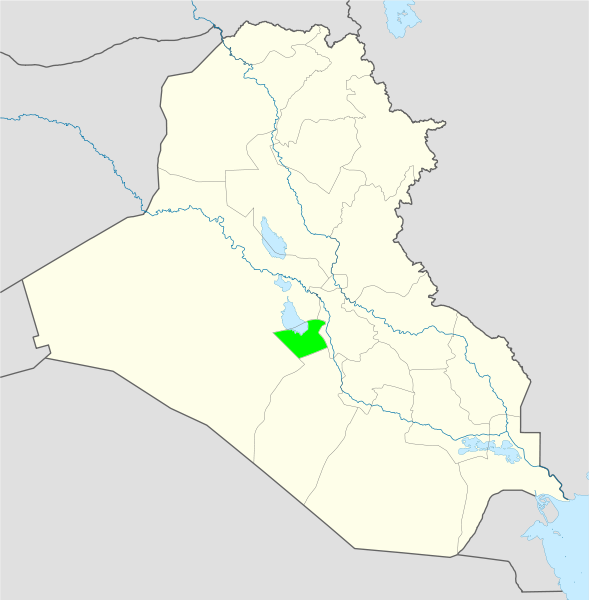
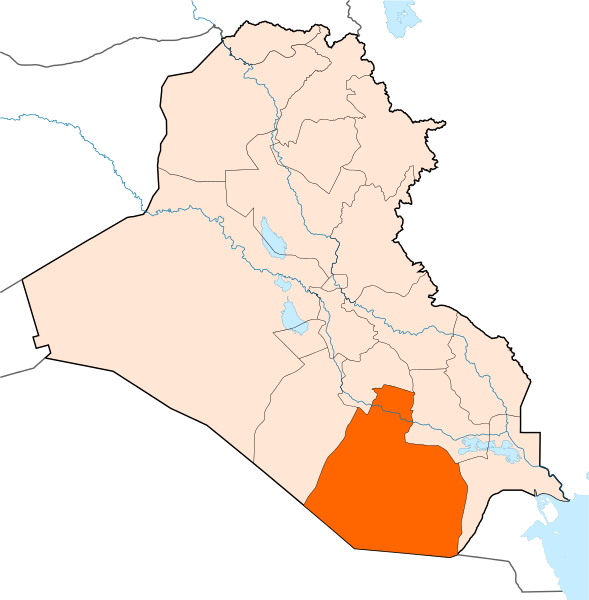
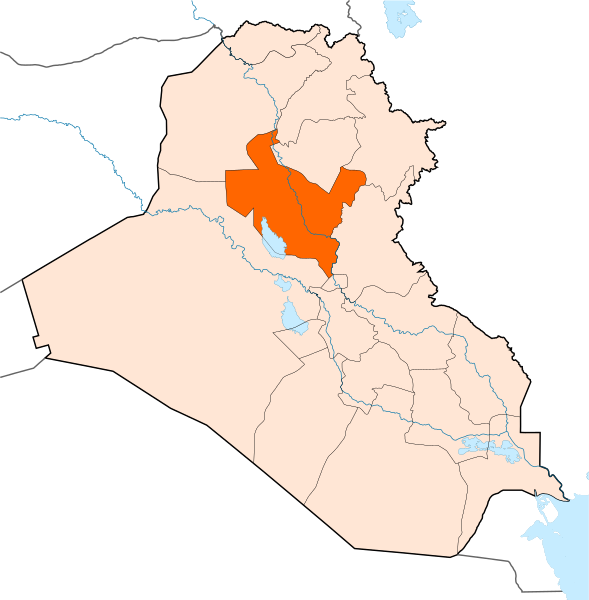
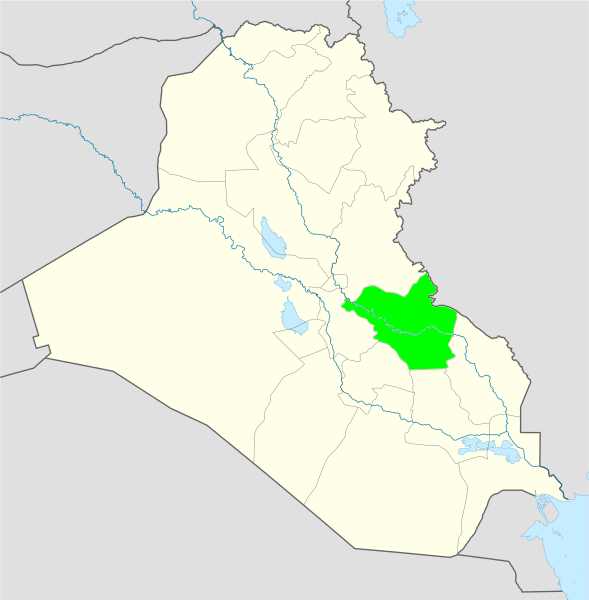
Anbar is the largest province in size, but only has the seventh largest population at 1,485,985. Most residents are concentrated in the northeastern section along the Euphrates River, because the rest of the land is dominated by desert. From 2008-2010 a drought hit, devastating the farmland, farmers, and livestock. 25% of the workforce is in agriculture, but 2/3 of those are unwaged jobs. Overall 50% of work is unwaged in the governorate. Unemployment is 14%, which is lower than the national average, but unlike most of the rest of the country, the urban center of Ramadi has the highest unemployment rate in the province at 21%. 27% of children are chronically malnourished. 19% of households in Ramadi, 27% in Rawa, and 33% in Hit drink water directly out of a river or lake.
Anbar’s Rankings
Population #7
Most Urban #13
% Living Below National Poverty Line #13
% Of Households In Lowest Per Capita Expenditure Quintile #5
% Enrolled In Primary Schools #4
% Enrolled in Secondary Schools #3
Women Enrolled In Primary Schools Compared To Men #12
Illiteracy Rate #15
% Of Women Working In Non-Agricultural Sector #9
Under Five Mortality Rate #16
% Using Improved Drinking Water Source #6
% Using Improved Sanitation Facility #2
 |
| (Wikimedia) |
Babil benefits from a large amount of arable land, which is fed by water from the Euphrates River. 44% of the workforce, the highest rate in the country, is employed in agriculture. The province grows dates, maize, and legumes. The local government wants to increase investment, bring modern farming techniques, and improve skills in the industry. Unfortunately, 50% of the cropland was hit hard by drought the last two years. The informality in the farming sector, weakness in other sectors of the economy, low employment in the public sector, and 52% of workers in unwaged jobs has created a high poverty rate. 41.2% of the population, the second highest mark in the country, lives below the national poverty line of $2.20 per day. 15% of the province is also out of work. Still, in July 2010 the American Provincial Reconstruction team in the Babil said that
its economy developed because of growth in banking and small businesses. The water network is poor in the province with only 53.1% of the population using an improved water drinking source.
Babil’s Rankings
Population #5
Most Urban #12
% Living Below National Poverty Line #2
% Of Households In Lowest Per Capita Expenditure Quintile #8
% Enrolled In Primary Schools #13
% Enrolled in Secondary Schools #6
Women Enrolled In Primary Schools Compared To Men #14
Illiteracy Rate #11
% Of Women Working In Non-Agricultural Sector #8
Under Five Mortality Rate #17
% Using Improved Drinking Water Source #16
% Using Improved Sanitation Facility #11
 |
| (Wikimedia) |
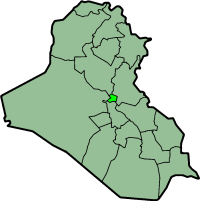
Baghdad is the most populated province in Iraq, with 7,145,470 people. The next closest is Ninewa with 2,811,091. Most of Baghdad lives in the capital city, which is why the province has the highest urbanization rate at 87%. Only 13.0% of the population lives below the poverty line of $2.20 per day, and 6.7% of households are in the lowest per capita expenditure quintile. The vast majority of the country’s displaced are from the capital province, and the largest number reside there. Four of the top five districts with post-2006 displaced people are in Baghdad. 2006 is when the civil war really took off, causing the largest amount of displacement. The Karkh district has 171,400 displaced, followed by 123,239 in Rusafa, 76,673 in Adhamiya, and 69,463 in Kadhimiyah.
Baghdad’s Rankings
Population #1
Most Urban #1
% Living Below National Poverty Line #14
% Of Households In Lowest Per Capita Expenditure Quintile #18
% Enrolled In Primary Schools #5
% Enrolled in Secondary Schools #1
Women Enrolled In Primary Schools Compared To Men #2
Illiteracy Rate #17
% Of Women Working In Non-Agricultural Sector #3
Under Five Mortality Rate tied #11
% Using Improved Drinking Water Source #4
% Using Improved Sanitation Facility #1
 |
| (Wikimedia) |
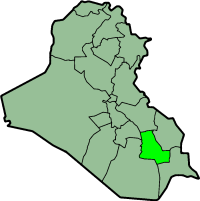
Basra is the third most populated province with 1,912,533 people, and has the second highest urbanization rate at 78%. Basra contains Iraq’s only major port Um Qasr, and has the largest oil deposits. For those reasons, the provincial council has focused upon oil and transportation, and neglected agriculture. Water in Basra suffers from high salinity, and is often only good for washing and cleaning, not for drinking. Only 1.5% of the population has access to a modern drinking source, by far the worst rate in the country. Most drinking water has to be bought as a result. 31.2% of the population lives below the national poverty line of $2.20 per day, but only 9.8% of households are in the lowest per capita expenditure quintile.
Basra’s Rankings
Population #3
Most Urban #2
% Living Below National Poverty Line #8
% Of Households In Lowest Per Capita Expenditure Quintile #16
% Enrolled In Primary Schools #9
% Enrolled in Secondary Schools #5
Women Enrolled In Primary Schools Compared To Men #4
Illiteracy Rate #14
% Of Women Working In Non-Agricultural Sector #5
Under Five Mortality Rate #13
% Using Improved Drinking Water Source #18
% Using Improved Sanitation Facility #15
 |
| (Wikimedia) |
Dhi Qar suffers from high unemployment at 31%. 32.0% of the population also lives below the national poverty line, and 44.7% of households are in the lowest per capita expenditure quintile. The Chibayish district has the second worst mark in the country with 61.8% of households in that lowest quintile, followed by 59.6% in the Shatra district. Dhi Qar also has a low education rate for women, resulting in high illiteracy for them. Only 6% of women in rural areas are involved in the work force as well. Access to water is poor in the governorate, but power supply is good.
Dhi Qar’s Rankings
Population #6
Most Urban #11
% Living Below National Poverty Line #9
% Of Households In Lowest Per Capita Expenditure Quintile #1
% Enrolled In Primary Schools #16
% Enrolled in Secondary Schools #12
Women Enrolled In Primary Schools Compared To Men #17
Illiteracy Rate #7
% Of Women Working In Non-Agricultural Sector #10
Under Five Mortality Rate tied #11
% Using Improved Drinking Water Source #15
% Using Improved Sanitation Facility #14
 |
| (Wikimedia) |
Diyala has the most rural population in Iraq at 59%. The government provides 36% of jobs. The private sector is hampered by a lack of electricity, water, infrastructure, capital, and skilled workers, plus cheap imports. Agriculture dominates the economy, and provides 19% of jobs, and 1/5 of the GDP. The province specializes in fruits and dates. At the same time, 12.5% of women are employed outside of farming, the highest rate in Iraq. 8% of the population is displaced, one of highest rates in Iraq. 83% of the displaced are from within the governorate. 33.1% of the population lives below the national poverty line, and 62.2% of households in the Baladrooz district are in the lowest per capita expenditure quintile, the highest mark in the country. Despite the poverty, Diyala has the lowest illiteracy rate in the country at 6.8%, possibly because it has the highest enrollment rate in primary schools, and the second highest enrollment in secondary schools.
Diyala’s Rankings
Population #9
Most Urban #18
% Living Below National Poverty Line #7
% Of Households In Lowest Per Capita Expenditure Quintile #7
% Enrolled In Primary Schools #1
% Enrolled in Secondary Schools #2
Women Enrolled In Primary Schools Compared To Men #7
Illiteracy Rate #18
% Of Women Working In Non-Agricultural Sector #1
Under Five Mortality Rate #9
% Using Improved Drinking Water Source #12
% Using Improved Sanitation Facility #4
 |
| (Wikimedia) |
Dohuk has the smallest population amongst Iraq’s provinces with 505,491 people. Most of those, 73%, live in urban areas. 52% of jobs are provided by the government. Only 11% of women in the province are in the work force. Around 40% of females are unemployed. Drought has severely affected the province. In 2009 it did have a better harvest than 2008. Flash floods and landslides hit in November 2009 affecting 340 families. 21% of the population is displaced, the highest amount in country. Almost all are from Ninewa fleeing the violence there or Dohuk itself, having been forced out during the Saddam era. Only 9.3% of population lives below the poverty line. It does have the highest illiteracy rate in the country at 30.5%.
Dohuk’s Rankings
Population #18
Most Urban #4
% Living Below National Poverty Line #16
% Of Households In Lowest Per Capita Expenditure Quintile #12
% Enrolled In Primary Schools #6
% Enrolled in Secondary Schools #16
Women Enrolled In Primary Schools Compared To Men #6
Illiteracy Rate #1
% Of Women Working In Non-Agricultural Sector #15
Under Five Mortality Rate tied #4
% Using Improved Drinking Water Source #1
% Using Improved Sanitation Facility #3
 |
| (Wikimedia) |
Irbil has the third highest urbanization rate in the country at 76%. Irbil’s farm sector lacks modern techniques and investment. There is a 24% unemployment rate in rural areas, and 66% of women are unemployed in those places as well. 26% of children 0-5 years old suffer from acute malnutrition, and 15% face chronic malnutrition. The province has poor infrastructure. Only 31.5% of the province has access to improved sanitation facilities. Still, only 3.4% of population lives below poverty line, and 7.1% of households are in the lowest per capita expenditure quintile. Like the other three provinces in Kurdistan, Irbil suffers from high illiteracy at 25.8%. The Choman district at 43.0% has the third highest rate in the country.
Irbil’s Rankings
Population #10
Most Urban #3
% Living Below National Poverty Line #17
% Of Households In Lowest Per Capita Expenditure Quintile #17
% Enrolled In Primary Schools #7
% Enrolled in Secondary Schools #4
Women Enrolled In Primary Schools Compared To Men #5
Illiteracy Rate #5
% Of Women Working In Non-Agricultural Sector #2
Under Five Mortality Rate #3
% Using Improved Drinking Water Source #3
% Using Improved Sanitation Facility #18
 |
| (Wikimedia) |
Karbala is one of the smallest and least populated provinces in Iraq. It is the site of the Imam Hussein shrine, which brings in large amounts of religious tourists. It also has a high poverty rate. 36.9% live below the national poverty line. That’s partly due to the fact that 27% of jobs are unwaged. Many work in wholesale and retail, farming, transportation, communication. 29% of waged work is from the government, while 12% work in agriculture. The province has poor health care with 53 under five deaths per 1,000 live births, the second worst mark in the country.
Karbala’s Rankings
Population #14
Most Urban #8
% Living Below National Poverty Line #4
% Of Households In Lowest Per Capita Expenditure Quintile #4
% Enrolled In Primary Schools #8
% Enrolled in Secondary Schools #17
Women Enrolled In Primary Schools Compared To Men #9
Illiteracy Rate #12
% Of Women Working In Non-Agricultural Sector #12
Under Five Mortality Rate #2
% Using Improved Drinking Water Source #7
% Using Improved Sanitation Facility #6
 |
| (Wikimedia) |
Maysan’s economy has declined because of deteriorating infrastructure, poor access to resources, and the drought. The last hit the province from 2009-2010, reducing agriculture in 43% of the farmland, and affecting 325,000 people. The provincial council wants to improve irrigation and farming techniques to help the industry. Maysan has the lowest enrollment in primary schools at 65.6%. Only 37.5% of the population has access to an improved sanitation facility, the second worst rate in the country.
Maysan’s Rankings
Population #15
Most Urban #9
% Living Below National Poverty Line #10
% Of Households In Lowest Per Capita Expenditure Quintile #11
% Enrolled In Primary Schools #18
% Enrolled in Secondary Schools #9
Women Enrolled In Primary Schools Compared To Men #18
Illiteracy Rate #8
% Of Women Working In Non-Agricultural Sector #13
Under Five Mortality Rate tied #11
% Using Improved Drinking Water Source #10
% Using Improved Sanitation Facility #17
 |
| (Wikimedia) |
Muthanna is the second largest province in size, but second smallest in population with 614,997 people. Most of the governorate is covered in desert, and 56% of the people live in rural areas. It is also the poorest province with 48.8% living below the national poverty line, and 41.0% of households in the lowest per capita expenditure quintile. In the Rumaitha and Salman districts more than half of the households are in that lowest quintile. This is due to several reasons. First, unemployment is high at 25%, 28% in rural areas. 40% of jobs are unwaged, and half of those are in farming. It has the second lowest enrollment in primary schools at 75.3%, and third highest illiteracy rate at 26.8%. In fact, the Salman district has the highest illiteracy rate in the country at 51.8%. The water system is also poor in Muthanna with only 53.1% of the population having access to an improved water drinking source. 44% of jobs are in manufacturing and agriculture. The provincial council wants those industries to be developed. It also wants to create trade with Saudi Arabia, but the
kingdom’s animosity towards Shiite rule in Iraq makes that unlikely to happen.
Muthanna’s Rankings
Population #17
Most Urban #17
% Living Below National Poverty Line #1
% Of Households In Lowest Per Capita Expenditure Quintile #2
% Enrolled In Primary Schools #17
% Enrolled in Secondary Schools #18
Women Enrolled In Primary Schools Compared To Men #15
Illiteracy Rate #3
% Of Women Working In Non-Agricultural Sector #17
Under Five Mortality Rate tied #6
% Using Improved Drinking Water Source #17
% Using Improved Sanitation Facility #13
 |
| (Wikimedia) |
Najaf is the site of the Ali Ibn Abi Talib tomb, which is regarded as the first Imam by Shiites and the fourth Caliph by Sunnis. The tomb is one of the holiest sites to Shiites, making religious tourism a major business. It provides 30% of the GDP. Najaf also produces cement, glass, wheat, rice, dates, and vegetables. Industry is 14% of the GDP, and agriculture 15%. Industry lacks investment, infrastructure, and restrictions due to tourism, while the provincial council wants to improve farming skills and the irrigation system. 45% of unwaged labor is in agriculture. Najaf is the only province where there are more girls than boys enrolled in primary schools.
Najaf’s Rankings
Population #16
Most Urban #7
% Living Below National Poverty Line #11
% Of Households In Lowest Per Capita Expenditure Quintile #13
% Enrolled In Primary Schools #14
% Enrolled in Secondary Schools #8
Women Enrolled In Primary Schools Compared To Men #1
Illiteracy Rate #9
% Of Women Working In Non-Agricultural Sector #11
Under Five Mortality Rate #8
% Using Improved Drinking Water Source #7
% Using Improved Sanitation Facility #6
 |
| (Wikimedia) |
Ninewa has the second highest population after Baghdad with 2,811,091 people. Ninewa’s economy is based around farming. It’s known for growing cereal, sugar cane, sunflowers, vegetables, and herbs. The provincial council wants to modernize agriculture with modern techniques. Drought has affected the industry severely. 47% of farmland was impacted over the last two years. Farmers can’t afford seed to return to 2009 levels. Industry in the province specializes in cement, sugar, textiles, and beverages. The province is around the middle in the country in illiteracy at 20.9%, but three of its nine districts, Hatra, Aqri, and Sinjar, have some of the highest rates at 49.0%, 41.7%, and 41.2% respectively. It remains one of the most violent areas of the country, which hinders development.
Ninewa’s Rankings
Population #2
Most Urban #10
% Living Below National Poverty Line #12
% Of Households In Lowest Per Capita Expenditure Quintile #10
% Enrolled In Primary Schools #10
% Enrolled in Secondary Schools #15
Women Enrolled In Primary Schools Compared To Men #10
Illiteracy Rate #12
% Of Women Working In Non-Agricultural Sector #11
Under Five Mortality Rate tied #6
% Using Improved Drinking Water Source #9
% Using Improved Sanitation Facility #7
Qadisiyah’s economy is dominated by agriculture. It provides 47% of the GDP, and 35% of jobs. The province mainly produces rice, wheat, and barley. 46% of jobs are unwaged, mostly in farming. That’s the main reason why 33.7% of households live in the lowest per capita expenditure quintile, and 35.0% live below the national poverty line of $2.20 per day.
Qadisiyah’s Rankings
Population #12
Most Urban #14
% Living Below National Poverty Line #5
% Of Households In Lowest Per Capita Expenditure Quintile #3
% Enrolled In Primary Schools #15
% Enrolled in Secondary Schools #10
Women Enrolled In Primary Schools Compared To Men #16
Illiteracy Rate #6
% Of Women Working In Non-Agricultural Sector #7
Under Five Mortality Rate #10
% Using Improved Drinking Water Source #11
% Using Improved Sanitation Facility #16
 |
| (Wikimedia) |
54% of
Salahaddin’s population lives in rural areas, the third highest rate in the country. 36% of jobs are in agriculture, but two years of drought have devastated the farming sector leading to a 50% reduction in land use. Many farm jobs are unwaged, and the industry suffers from land ownership issues, outdated methods, and a lack of coordination between farms and factories. Industry in the province suffers from poor management, lack of investment, and a lack of markets. It has an 18% unemployment rate, which is higher in urban areas, and 39.9% live below the poverty line of $2.20 per day. Salahaddin also has poor health care with the highest under five mortality rate in the country at 70 deaths per 1,000 live births.
Salahaddin’s Rankings
Population #8
Most Urban #16
% Living Below National Poverty Line #3
% Of Households In Lowest Per Capita Expenditure Quintile #14
% Enrolled In Primary Schools #12
% Enrolled in Secondary Schools #13
Women Enrolled In Primary Schools Compared To Men #13
Illiteracy Rate #13
% Of Women Working In Non-Agricultural Sector #16
Under Five Mortality Rate #15
% Using Improved Drinking Water Source #13
% Using Improved Sanitation Facility #10
 |
| (Wikimedia) |
Of the three governorates in Kurdistan,
Sulaymaniya has the largest population at 1,893,617. Like the rest of the region, Sulaymaniya is highly urbanized at 70%. Unemployment is low at 12%. 27% of women are unemployed, and few women are employed in the workforce outside of agriculture. Only 3.3% of the population lives below the poverty line. It has good water supplies, weather, and security, which has allowed for economic growth. Poor infrastructure and bureaucracy is impeding further development. It still has the second highest illiteracy rate in the country at 27.8%.
Sulaymaniya’s Rankings
Population #4
Most Urban #5
% Living Below National Poverty Line #18
% Of Households In Lowest Per Capita Expenditure Quintile #14
% Enrolled In Primary Schools #2
% Enrolled in Secondary Schools #7
Women Enrolled In Primary Schools Compared To Men tied #2
Illiteracy Rate #2
% Of Women Working In Non-Agricultural Sector #4
Under Five Mortality Rate #15
% Using Improved Drinking Water Source #5
% Using Improved Sanitation Facility #9
 |
| (Wikimedia) |
Tamim is an oil rich province, but wealth has not trickled down to the people. Still, only 9.8% of the population lives below the national poverty line, and it has the third lowest illiteracy rate in the country at 11.9%. It also has the lowest under five death rate in the country at 21 deaths per 1,000 live births. The local government wants to expand farming and reduce food imports. It also blames the oil industry for the low supply of electricity.
Tamim’s Rankings
Population #13
Most Urban #6
% Living Below National Poverty Line #3
% Of Households In Lowest Per Capita Expenditure Quintile #14
% Enrolled In Primary Schools #3
% Enrolled in Secondary Schools #11
Women Enrolled In Primary Schools Compared To Men #8
Illiteracy Rate #16
% Of Women Working In Non-Agricultural Sector #6
Under Five Mortality Rate #18
% Using Improved Drinking Water Source #2
% Using Improved Sanitation Facility #5
 |
| (Wikimedia) |
Wasit is a largely agricultural province. 38% of the workforce, the second highest amount in the country, works in farming. The industry has been hit by high salinity, old techniques, the migration of workers from rural to urban areas, and the degradation of the land from military use since the Iran-Iraq War. Unlike the rest of the country, there is low unemployment in rural areas at 10% compared to 18% in urban ones. Most farm work is unwaged however because it is informal, and the farms are not profitable. A lack of regulations and investment hinders the development of industries in the governorate, which is a reason for the high jobless rate in the province’s cities.
Wasit’s Rankings
Population #11
Most Urban #15
% Living Below National Poverty Line #6
% Of Households In Lowest Per Capita Expenditure Quintile #6
% Enrolled In Primary Schools #11
% Enrolled in Secondary Schools #14
Women Enrolled In Primary Schools Compared To Men #11
Illiteracy Rate #4
% Of Women Working In Non-Agricultural Sector #14
Under Five Mortality Rate tied #4
% Using Improved Drinking Water Source #14
% Using Improved Sanitation Facility #12
Iraq’s Provinces’ Information
Population (2007 estimates)
Baghdad 7,145,470
Ninewa 2,811,091
Basra 1,912,533
Sulaymaniya 1,893,617
Babil 1,651,565
Dhi Qar 1,616,226
Anbar 1,485,985
Salahaddin 1,191,403
Diyala 1,560,621
Irbil 1,542,421
Wasit 1,064,950
Qadisiyah 990,483
Tamim 902,019
Karbala 887,859
Maysan 824,147
Najaf 614, 997
Muthanna 614,997
Dohuk 505,491
Most Urban (2007)
87% Baghdad
78% Basra
76% Irbil
73% Dohuk
70% Sulaymaniya
69% Tamim
68% Najaf
65% Karbala
65% Maysan
61% Ninewa
58% Dhi Qar
53% Babil
52% Anbar
52% Qadisiyah
52% Wasit
46% Salahaddin
44% Muthanna
41% Diyala
Most Rural (2007)
59% Diyala
56% Muthanna
54% Salahaddin
48% Anbar
48% Qadisiyah
48% Wasit
47% Babil
42% Dhi Qar
39% Ninewa
35% Karbala
35% Maysan
31% Najaf
31% Tamim
30% Sulaymaniya
27% Dohuk
24% Irbil
21% Basra
13% Baghdad
% Living Below National Poverty Line ($2.20 per day)
22.9% Iraq
48.8% Muthanna
41.2% Babil
39.9% Salahaddin
36.9% Karbala
35.0% Qadisiyah
34.8% Wasit
33.1% Diyala
32.1% Basra
32.0% Dhi Qar
25.3% Maysan
24.4% Najaf
23.0% Ninewa
20.9% Anbar
13.0% Baghdad
9.8% Tamim
9.3% Dohuk
3.4% Irbil
3.3% Sulaymaniya
Households In Lowest Per Capita Expenditure Quintile By Province
20.0% Iraq
44.7% Dhi Qar
41.0% Muthanna
33.7% Qadisiyah
32.9% Karbala
32.2% Anbar
32.2% Wasit
30.1% Diyala
27.9% Babil
26.8% Tamim
26.0% Ninewa
25.2% Maysan
18.1% Dohuk
15.4% Najaf
15.2% Salahaddin
10.1% Sulaymaniya
9.8% Basra
7.1% Irbil
6.7% Baghdad
 |
| (Global Security) |
Click on map for larger view
Households In Lowest Per Capita Expenditure Quintile By District
20.0% Iraq
62.2% Baladrooz, Diyala
61.8% Chibayish, Dhi Qar
59.6% Shatra, Dhi Qar
58.2% Tal Afar, Ninewa
55.4% Shamiya, Qadisiyah
52.9% Rumaitha, Muthanna
51.1% Salman, Muthanna
48.9% Hawija, Tamim
47.6% Shirqat, Salahaddin
46.9% Afaq, Qadisiyah
46.2% Rifai, Dhi Qar
45.3% Fallujah, Anbar
43.1% Khalis, Diyala
42.7% Nasiriyah, Dhi Qar
42.2% Fars, Salahaddin
42.2% Hatra, Ninewa
40.4% Maimouna, Maysan
40.0% Ain Tamur, Karbala
39.1% Khidhir, Muthanna
38.7% Hashimiya, Babil
37.9% Tilkaif, Ninewa
37.8% Daquq, Tamim
37.3% Suwair, Wasit
36.9% Hindiya, Karbala
36.4% Hamdaniya, Ninewa
36.0% Ali al-Gharbi, Maysan
35.8% Shikhan, Ninewa
35.6% Kahla, Maysan
33.8% Mahawil, Babil
33.3% Baquba, Diyala
33.3% Kut, Wasit
32.9% Ramadi, Anbar
32.4% Hai, Wasit
32.0% Musayyib, Babil
31.1% Aziziya, Wasit
31.1% Qalat Saleh, Maysan
31.1% Rawa, Anbar
30.7% Sinjar, Ninewa
30.2% Karbala, Karbala
30.0% Aqri, Ninewa
29.3% Dibis, Tamim
29.3% Meja al-Kabi, Maysan
28.9% Pshdar, Sulaymaniya
28.9% Samawa, Muthanna
28.0% Kaim, Anbar
26.3% Manathera, Najaf
25.8% Namaniya, Wasit
24.2% Kufa, Najaf
22.7% Rania, Sulaymaniya
21.8% Suq al-Shoyokh, Dhi Qar
21.1% Baaj, Ninewa
20.9% Midaina, Basra
20.9% Sharbazher, Sulaymaniya
20.9% Sumel, Dohuk
20.4% Penjwin, Sulaymaniya
20.0% Badra, Wasit
19.6% Chamchamal, Sulaymaniya
19.6% Diwaniya, Qadisiyah
19.1% Qurna, Basra
18.9% Koisnjaq, Irbil
18.7% Fao, Basra
18.7% Rutba, Anbar
17.8% Hillah, Babil
17.4% Touz, Salahaddin
17.3% Amarah, Maysan
16.9% Hit, Anbar
16.9% Najaf, Najaf
16.9% Kirkuk, Tamim
16.0% Abu al-Khasib, Basra
16.0% Khanaqin, Diyala
14.7% Mosul, Ninewa
13.8% Daur, Salahaddin
12.9% Amedia, Dohuk
12.9% Zakho, Dohuk
12.7% Rusafa, Baghdad
12.7% Tharwa 1, Baghdad
12.7% Tharwa 2, Baghdad
11.6% Dohuk, Dohuk
11.1% Dokan, Sulaymaniya
10.9% Kifri, Diyala
10.7% Shaqlawa, Irbil
10.2% Samarra, Salahaddin
9.8% Halabja, Sulaymaniya
9.1% Irbil, Irbil
8.7% Kadhimaiyah, Baghdad
8.4% Ana, Anbar
8.4% Tikrit, Salahaddin
8.3% Hamza, Qadisiyah
8.0% Basra, Basra
7.8% Soran, Irbil
7.1% Haditha, Anbar
6.7% Makhmour, Irbil
6.7% Mergasur, Irbil
5.8% Shatt al-Arab, Basra
5.4% Madain, Baghdad
5.2% Karkh, Baghdad
4.4% Balad, Salahaddin
4.4% Choman, Irbil
4.4% Darbandihkan, Sulaymaniya
3.6% Kalar, Sulaymaniya
2.2% Sulaymaniya, Sulaymaniya
2.0% Abu Ghraib, Baghdad
1.7% Adhamiya, Baghdad
1.3% Muqtadiya, Diyala
1.2% Mahmudiyah, Baghdad
0.9% Baiji, Salahaddin
0.3% Tarmiyah, Baghdad
N/A Tharthar, Salahaddin
% Enrolled in Primary Schools
84.8% Iraq
92.2% Diyala
91.4% Sulaymaniya
90.7% Tamim
90.1% Anbar
90.0% Baghdad
89.8% Dohuk
89.6% Irbil
88.9% Karbala
86.6% Basra
81.7% Ninewa
79.5% Wasit
78.3% Salahaddin
78.2% Babil
78.2% Najaf
78.1% Qadisiyah
77.9% Dhi Qar
75.3% Muthanna
65.6% Maysan
% Enrolled in Secondary Schools
36.7% Iraq
42.0% Baghdad
35.8% Diyala
34.8% Anbar
29.7% Irbil
24.9% Basra
24.1% Babil
22.8% Sulaymaniya
22.1% Najaf
21.2% Maysan
17.9% Qadisiyah
17.7% Tamim
15.8% Dhi Qar
14.7% Salahaddin
13.8% Wasit
13.5% Ninewa
12.0% Dohuk
10.6% Karbala
9.8% Muthanna
Women Enrollment Compared To Men In Primary Schools
84.8% Iraq
110% Najaf
100% Baghdad
100% Sulaymaniya
99.8% Basra
99.4% Irbil
96.8% Dohuk
96.5% Diyala
96.2% Tamim
95.7% Karbala
93.4% Ninewa
91.% Wasit
91.2% Anbar
87.2% Salahaddin
83.2% Babil
83.0% Muthanna
82.1% Qadisiyah
81.7% Dhi Qar
79.1% Maysan
Illiteracy Aged 10+ By Province
17.5% Iraq
30.5% Dohuk
27.8% Sulaymaniya
26.8% Muthanna
25.9% Wasit
25.8% Irbil
24.9% Qadisiyah
22.8% Dhi Qar
21.5% Maysan
20.9% Najaf
20.9% Ninewa
19.6% Babil
17.2% Karbala
15.7% Salahaddin
14.6% Basra
13.9% Anbar
11.9% Tamim
10.0% Baghdad
6.8% Diyala
Illiteracy Aged 10+ By District
17.5% Iraq
51.8% Salman, Muthanna
49.0% Hatra, Ninewa
43.0% Choman, Irbil
41.7% Aqri, Ninewa
41.2% Sinjar, Ninewa
38.4% Chamchamal, Sulaymaniya
38.3% Qalat Saleh, Maysan
38.0% Pshdar, Sulaymaniya
36.8% Penjwin, Sulaymaniya
35.9% Kahla, Maysan
35.1% Mergasur, Irbil
34.7% Khidhir, Muthanna
33.9% Hai, Wasit
33.6% Fars, Salahaddin
33.2% Hamza, Qadisiyah
33.0% Rania, Sulaymaniya
32.9% Sharbazher, Sulaymaniya
32.9% Shikhan, Ninewa
32.6% Dokan, Sulaymaniya
32.6% Shaqlawa, Irbil
32.5% Ali al-Gharbi, Maysan
31.5% Chibayish, Dhi Qar
31.5% Shamiya, Qadisiyah
31.2% Maimouna, Maysan
30.9% Amedia, Dohuk
30.6% Koisnjaq, Irbil
30.2% Soran, Irbil
29.7% Rutba, Anbar
29.3% Namaniya, Wasit
29.3% Suwair, Wasit
29.2% Sumel, Dohuk
29.1% Kalar, Sulaymaniya
29.1% Rumaitha, Muthanna
29.0% Irbil, Irbil
29.0% Zakho, Dohuk
28.6% Ain Tamur, Karbala
27.5% Shatra, Dhi Qar
27.3% Midaina, Basra
26.4% Halabja, Sulaymaniya
26.3% Manathera, Najaf
26.3% Rawa, Anbar
26.2% Afaq, Qadisiyah
26.1% Daquq, Tamim
26.1% Kifri, Diyala
25.7% Darbandihkan, Sulaymaniya
25.7% Suq al-Shoyokh, Dhi Qar
25.6% Samarra, Salahaddin
25.4% Dohuk, Dohuk
25.4% Rifai, Dhi Qar
24.6% Baaj, Ninewa
24.2% Kufa, Najaf
23.4% Hashimiya, Babil
23.4% Makhmour, Irbil
23.3% Meja al-Kabi, Maysan
23.0% Aziziya, Wasit
23.0% Fao, Basra
23.0% Hindiya, Karbala
22.8% Tal Afar, Ninewa
21.2% Sulaymaniya, Sulaymaniya
21.0% Badra, Wasit
21.0% Qurna, Basra
20.7% Kut, Wasit
20.6% Tilkaif, Ninewa
20.3% Hillah, Babil
19.5% Samawa, Muthanna
19.4% Madain, Baghdad
19.2% Mahawil, Babil
18.3% Daur, Salahaddin
18.3% Kaim, Anbar
17.5% Diwaniya, Qadisiyah
16.9% Hit, Anbar
16.9% Khanaqin, Diyala
16.9% Najaf, Najaf
16.7% Shatt al-Arab, Basra
16.5% Nasiriyah, Dhi Qar
16.4% Touz, Salahaddin
16.2% Mosul, Ninewa
16.1% Hamdaniya, Ninewa
16.1% Tharwa 1, Baghdad
16.1% Tharwa 2, Baghdad
15.8% Mahmudiyah, Baghdad
15.1% Zubayr, Basra
14.8% Karbala, Karbala
14.5% Abu al-Khasib, Basra
14.2% Musayyib, Babil
14.1% Hawija, Tamim
13.8% Ana, Anbar
13.8% Balad, Salahaddin
13.4% Ramadi, Anbar
13.2% Shirqat, Salahaddin
12.4% Amarah, Maysan
12.4% Fallujah, Anbar
11.2% Tikrit, Salahaddin
10.5% Dibis, Tamim
10.4% Basra, Basra
9.4% Kirkuk, Tamim
9.0% Baladrooz, Diyala
8.9% Abu Ghraib, Baghdad
8.5% Kadhimiyah, Baghdad
8.3% Rusafa, Baghdad
8.1% Tarmiyah, Baghdad
7.7% Haditha, Anbar
7.0% Adhamiya, Baghdad
6.6% Khalis, Diyala
4.4% Muqtadiya, Diyala
3.7% Karkh, Baghdad
3.1% Baquba, Diyala
0.7% Baiji, Salahaddin
N/A Tharthar, Salahaddin
% Working In Agriculture
21% Iraq
44% Babil
38% Wasit
36% Salahaddin
35% Qadisiyah
25% Anbar
19% Diyala
16% Tamim
12% Karbala
6% Irbil
N/A Baghdad
N/A Dhi Qar
N/A Dohuk
N/A Maysan
N/A Muthanna
N/A Najaf
N/A Ninewa
N/A Sulaymaniya
% Of Women Working In Non-Agricultural Sector
7.4% Iraq
12.5% Diyala
9.5% Irbil
9.0% Baghdad
9.0% Sulaymaniya
8.9% Basra
7.3% Tamim
7.2% Qadisiyah
6.8% Babil
6.4% Anbar
6.4% Dhi Qar
6.0% Najaf
5.6% Karbala
5.5% Maysan
5.2% Wasit
5.0% Dohuk
4.8% Salahaddin
4.3% Muthanna
4.0% Ninewa
Under Five Mortality Rate For Every 1,000 Live Births
41 deaths Iraq
70 deaths Salahaddin 1.
53 deaths Karbala 2.
46 deaths Irbil 3.
45 deaths Dohuk 4.
45 deaths Wasit 4.
43 deaths Muthanna 6.
43 deaths Ninewa 6.
42 deaths Najaf 8.
39 deaths Diyala 9.
38 deaths Qadisiyah 10.
35 deaths Baghdad 11.
35 deaths Dhi Qar 11.
35 deaths Maysan 11.
34 deaths Basra 13
31 deaths Sulaymaniya 15
30 deaths Anbar 16
30 deaths Babil 16
21 deaths Tamim 18
% Using Improved Drinking Water Source
79.0% Iraq
98.6% Dohuk
97.7% Tamim
97.2% Irbil
96.0% Baghdad
95.% Sulaymaniya
94.2% Anbar
90.3% Karbala
88.1% Najaf
83.7% Ninewa
75.1% Maysan
74.5% Qadisiyah
72.5% Diyala
72.5% Salahaddin
71.0% Wasit
69.9% Dhi Qar
63.9% Babil
53.1% Muthanna
1.5% Basra
% Using Improved Sanitation Facility
83.9% Iraq
100.0% Baghdad
99.4% Anbar
98.2% Dohuk
97.5% Diyala
93.7% Tamim
93.1% Karbala
92.4% Ninewa
90.3% Najaf
84.7% Sulaymaniya
82.4% Salahaddin
80.6% Babil
77.0% Wasit
76.4% Muthanna
71.8% Dhi Qar
71.0% Basra
59.1% Qadisiyah
37.5% Maysan
31.5% Irbil
Post-2006 Displaced By District
171,400 Karkh, Baghdad
123,239 Rusafa, Baghdad
91,959 Mosul, Ninewa
76,673 Adhamiya, Baghdad
69,463 Kadhimiyah, Baghdad
62,128 Baquba, Diyala
43,869 Kirkuk, Tamim
42865 Karbala, Karbala
41,364 Tharwa 1, Baghdad
41,364 Tharwa 2, Baghdad
35,181 Hamdaniya, Ninewa
32,837 Najaf, Najaf
31,974 Madain, Baghdad
31,641 Fallujah, Anbar
27,218 Kut, Wasit
25,943 Hillah, Babil
24,509 Abu Ghraib, Baghdad
22,712 Basra, Basra
22,163 Tikrit, Salahaddin
20,713 Amarah, Maysan
20,463 Ramadi, Anbar
19,322 Tarmiyah, Baghdad
18,773 Khalis, Diyala
16,150 Tilkaif, Ninewa
14,684 Nasiriyah, Dhi Qar
14,035 Khanaqin, Diyala
13,525 Mahawil, Babil
13,413 Diwaniya, Qadisiyah
12,030 Hashimiya, Babil
11,220 Baladrooz, Diyala
9,742 Rumaitha, Muthanna
9,711 Kufa, Najaf
9,456 Muqtadiya, Diyala
9,193 Baiji, Salahaddin
9,005 Aziziya, Wasit
8,911 Rifai, Dhi Qar
8,788 Musayyib, Babil
8,587 Mahmudiyah, Baghdad
8,274 Meja al-Kabi, Maysan
7,920 Chibayish, Dhi Qar
7,115 Daur, Salahaddin
6,696 Suwair, Wasit
6,445 Shatra, Dhi Qar
6,222 Suq al-Shoyokh, Dhi Qar
6,116 Shirqat, Salahaddin
5,979 Hit, Anbar
5,815 Qalat Saleh, Maysan
5,701 Samawa, Muthanna
5,468 Tal Afar, Ninewa
5,377 Hamza, Qadisiyah
5,212 Hawija, Tamim
4,814 Manathera, Najaf
4,724 Zubayr, Basra
4,600 Hai, Wasit
4,330 Haditha, Anbar
4,086 Namaniya, Wasit
4,011 Hindiya, Karbala
3,962 Samarra, Salahaddin
3,144 Balad, Salahaddin
3,041 Kaim, Anbar
2,924 Midaina, Basra
2,913 Kahla, Maysan
2,825 Shamiya, Qadisiyah
2,787 Ana, Anbar
2,765 Fars, Salahaddin
2,747 Afaq, Qadisiyah
2,670 Daquq, Tamim
2,558 Maimouna, Maysan
2,252 Ali al-Gharbi, Maysan
2,072 Abu al-Khasib, Basra
1,991 Touz, Salahaddin
1,654 Shikhan, Ninewa
1,633 Badra, Wasit
1,478 Baaj, Ninewa
1,450 Qurna, Basra
1,282 Rawa, Anbar
1,206 Shatt al-Arab, Basra
1,162 Ain Tamur, Karbala
1,008 Rutba, Anbar
515 Sinjar, Ninewa
476 Hatra, Ninewa
394 Khidhir, Muthanna
290 Dibis, Tamim
204 Kifri, Diyala
138 Fao, Basra
N/A Dohuk province
N/A Irbil province
N/A Sulaymaniya province
SOURCES
Inter Agency Information and Analysis Unit, “Anbar Governorate Profile,” November 2010
- “Babil Governorate Profile,” November 2010
- “Baghdad Governorate Profile,” United Nations, November 2010
- “Basra Governorate Profile,” United Nations, November 2010
- “Diyala Governorate Profile,” United Nations, November 2010
- “Dohuk Governorate Profile,” November 2010
- “Erbil Governorate Profile,” November 2010
- “Kerbala Governorate Profile,” November 2010
- “Kirkuk Governorate Profile,” December 2010
- “Missan Governorate Profile,” November 2010
- “Muthanna Governorate Profile,” November 2010
- “Najaf Governorate Profile,” November 2010
- “Ninewa Governorate Profile,” November 2010
- “Qadissiya Governorate Profile,” November 2010
- “Salahaddin Governorate Profile,” United Nations, January 2011
- “Sulaymaniya Governorate Profile,” November 2010
- “Thi-Qar Governorate Profile,” November 2010
- “Wassit Governorate Profile,” November 2010
Special Inspector General for Iraq Reconstruction, “Quarterly Report to the United States Congress,” 10/30/10